Product Description
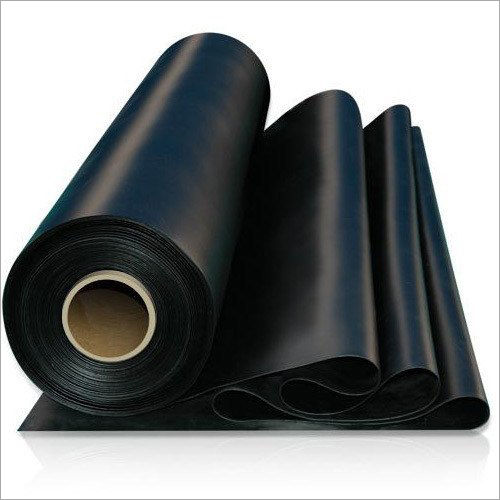
A Neoprene Rubber Gasket is a durable sealing material commonly used in industrial and commercial applications. Its composition and features make it versatile for various uses. Heres what it typically contains:
Neoprene Rubber Gasket Manufacturer in India
Neoprene Rubber Gasket Manufacturer in Gujarat
Neoprene Rubber Gasket Manufacturer in Vadodara
Neoprene Rubber Gasket Supplier in India
Neoprene Rubber Gasket Supplier in Gujarat
Neoprene Rubber Gasket Supplier in Vadodara
1. Base Material: Neoprene Rubber
- Composition:
- Made from chloroprene rubber (CR), a synthetic rubber with excellent resistance to weathering, ozone, and a wide range of chemicals.
- Properties:
- Good elasticity and mechanical strength.
- Moderate resistance to oils and greases.
- Excellent resistance to UV, oxidation, and aging.
2. Reinforcements (Optional)
- Some gaskets may include reinforcements to enhance durability or performance:
- Fabric Reinforcement: Nylon, polyester, or other fibers for added tensile strength.
- Metal Inserts: Thin metallic layers for structural stability in high-pressure applications.
3. Fillers and Additives
- Carbon Black:
- Used to improve tensile strength and durability.
- Plasticizers:
- Enhance flexibility and reduce brittleness at low temperatures.
- Antioxidants and UV Stabilizers:
- Improve resistance to aging and environmental degradation.
4. Design Features
- Surface Finish:
- Smooth or textured surfaces depending on sealing requirements.
- Hardness:
- Available in different durometers (Shore A) typically ranging from 40 to 90, catering to specific compression and sealing needs.
- Thickness:
- Commonly available from 1 mm to 10 mm, with custom thicknesses available.
5. Certifications (Optional)
- FDA Grade Neoprene:
- Used for food and beverage applications where compliance is necessary.
- UL Rated Neoprene:
- Meets flammability and safety standards for electrical and industrial use.
Applications
- Weatherproofing: Excellent for outdoor applications due to resistance to weather and ozone.
- Oil and Fuel Sealing: Moderate resistance to oils, making it suitable for automotive and industrial machinery.
- Vibration Dampening: Used in equipment to absorb shock and reduce noise.
- General Purpose Sealing: Ideal for pipes, flanges, and HVAC systems.
Superior Oil and Weather ResistanceCrafted from high-quality neoprene rubber, these gaskets stand out for their resilience against oils and harsh weather environments. Their synthetic composition ensures minimized degradation, preserving effective sealing and sustaining high performance even in challenging industrial settings.
Tailored Sizing and Versatile UsageAvailable with customizable diameter, width, and thickness, the Neoprene Rubber Gasket adapts to diverse sealing requirements. Its lightweight structure and circular style facilitate easy installation, making it suitable for a range of industrial machinery, automotive parts, and equipment across multiple sectors.
FAQs of Neoprene Rubber Gasket:
Q: How can I order a Neoprene Rubber Gasket with specific size requirements?
A: You can specify the required diameter, width, and thickness when placing your order, enabling the manufacturer or supplier to customize the gasket to your exact needs. This ensures a precise fit for your application.
Q: What makes neoprene rubber gaskets suitable for oil and weathering resistance?
A: Neoprene rubber exhibits outstanding resistance to oils, solvents, and environmental factors such as UV light and ozone, making these gaskets highly effective for industrial sealing purposes in challenging conditions.
Q: When should I use a neoprene rubber gasket instead of natural rubber?
A: Choose neoprene rubber gaskets when your application demands superior endurance against oils, fuels, or weathering, as they outperform natural rubber in such environments and offer longer-lasting reliability.
Q: Where are neoprene rubber gaskets primarily utilized in industry?
A: These gaskets are widely used in machinery, automotive components, electronic equipment, and HVAC systems for sealing joints, flanges, and pipes, preventing leaks and contamination.
Q: What is the typical process for installing a circular neoprene rubber gasket?
A: Installation involves cleaning the sealing surface, aligning the gasket onto the required joint or flange, and securing it in place, ensuring uniform compression to prevent leaks and optimize sealing performance.
Q: How does the smooth surface finish contribute to gasket performance?
A: A smooth surface finish ensures tight contact between the gasket and mating surfaces, enhancing the sealing integrity and minimizing the risk of leaks in industrial applications.
Q: What benefits do dealers, retailers, and distributors in India gain from offering these gaskets?
A: By supplying neoprene rubber gaskets, businesses provide a reliable, adaptable, and high-demand product that serves diverse industrial clients, improving their portfolio with a durable, effective sealing solution.
 GST : 24CJFPP2480R1ZL
 Call Us:- 08045477638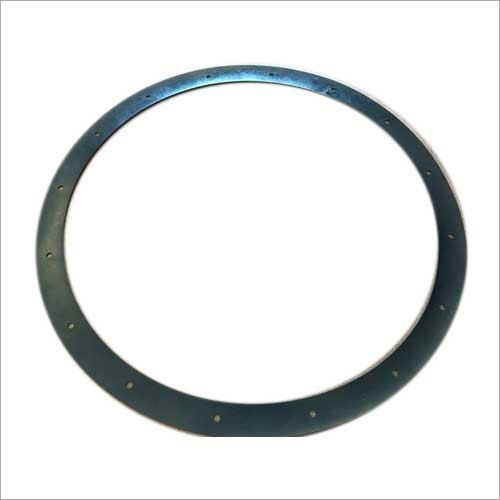





 Get A Quote



 Send Inquiry
 Send SMS
 Call Me Free


