Product Description
A rubber seal is a flexible component designed to create a tight, leak-proof barrier between two surfaces. Its commonly used in a variety of applications to prevent the passage of liquids, gases, or contaminants, and to provide cushioning or vibration dampening. Rubber seals are made from various types of rubber, such as neoprene, EPDM, silicone, or nitrile, each offering different properties like temperature resistance, flexibility, and durability.
Here are some key aspects of rubber seals:
-
Material Composition: Rubber seals can be made from different types of rubber depending on the applications needs. For example, silicone rubber seals are excellent for high-temperature applications, while nitrile rubber seals are ideal for resisting oils and fuels.
-
Shape and Design: They come in various shapes, including O-rings, gaskets, and custom profiles, designed to fit specific applications. The shape ensures that the seal effectively conforms to the surfaces it is intended to protect.
-
Function: The primary function of a rubber seal is to prevent leaks and ensure that components remain tightly sealed. This is crucial in applications such as automotive engines, household appliances, and industrial machinery.
-
Durability: Rubber seals are designed to withstand various environmental conditions, including temperature fluctuations, UV exposure, and chemical contact. Their lifespan can vary based on the material and operating conditions.
-
Applications: They are used in many industries, including automotive (for engine gaskets), plumbing (for faucet seals), and manufacturing (for machinery components).
Precision Sealing for Diverse ApplicationsThese ring gaskets provide dependable sealing solutions for pipelines and equipment handling oil, gas, water, and air. Whether your system is static or involves motion, our rubber seals are engineered for the unique pressure profiles of each situation, minimizing leaks and prolonging equipment life.
Material Identification Through Color CodingEach seal is available in a designated color, correlating to its rubber composition for easy identification and selection. For instance, black denotes NBR or neoprene, red represents silicone, green indicates EPDM, and violet signals fluorocarbon (FKM), streamlining inventory and application processes.
FAQs of Rubber Seal:
Q: How do static and dynamic rubber seals differ in pressure resistance?
A: Static rubber seals, used in stationary applications, typically withstand higher pressures than dynamic seals, which operate with moving parts. Choosing the right type ensures the seal performs efficiently under the specific pressure conditions of your system.
Q: What is the recommended process for selecting a rubber gasket based on the medium?
A: Identify the application mediumoil, gas, water, or airand then choose a rubber material compatible with it. Refer to color coding for quick selection: black (NBR/neoprene), red (silicone), green (EPDM), and violet (FKM), ensuring chemical resistance and durability.
Q: When should I use a ring gasket in a dynamic application?
A: Use a ring gasket rated for dynamic pressure resistance when parts are in motion, such as in pumps or agitators. Confirm the specified dynamic pressure rating to avoid seal failure and frequent maintenance.
Q: Where are these rubber gaskets most commonly used?
A: These gaskets are widely used in pipelines, valves, compressors, and machinery across industries such as oil and gas, chemical processing, water treatment, and HVAC. Their ability to seal under varying pressure conditions makes them versatile for many sectors.
Q: What are the benefits of using color-coded rubber seals?
A: Color coding enables quick identification of the seal material, improving inventory management, reducing selection errors, and ensuring compatibility with application media. This boosts operational efficiency and maintains safety standards.
Q: How does the dealer or distributor benefit from offering these rubber gaskets?
A: Dealers and distributors benefit from a versatile product line that caters to diverse client needs, backed by clear material identification. This elevates customer satisfaction and streamlines the supply process throughout India.
 GST : 24CJFPP2480R1ZL
 Call Us:- 08045477638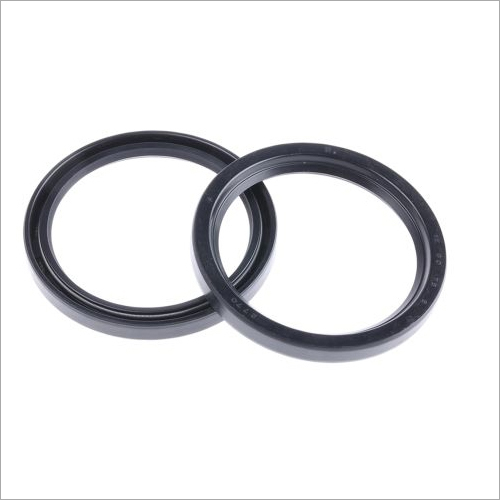





 Get A Quote



 Send Inquiry
 Send SMS


