Product Description
When discussing "rubber sheet containment," it typically refers to the use of rubber sheets to contain or manage substances, often in industrial, commercial, or environmental applications. These sheets are used to prevent the leakage or spillage of liquids, chemicals, or other materials. Heres an overview of how rubber sheets are used for containment purposes:
1. Containment Applications
- Spill Containment: Rubber sheets are used in containment berms or barriers to prevent spills of hazardous materials from spreading. They can be used in areas where spills are likely to occur, such as fuel stations or chemical storage areas.
- Chemical Resistance: In facilities handling aggressive chemicals or acids, rubber sheets with appropriate chemical resistance are used to line floors, containment areas, or equipment to prevent leaks and damage.
- Waste Management: Rubber sheets can be used to line waste containment areas to manage and contain industrial waste or hazardous materials safely.
2. Types of Rubber Sheets for Containment
- Nitrile Rubber Sheets: Known for their excellent resistance to oils, fuels, and certain chemicals. They are often used in applications involving hydrocarbons and petroleum products.
- EPDM Rubber Sheets: Offer good resistance to water, steam, and a range of chemicals. They are often used in outdoor containment applications due to their UV and weather resistance.
- Silicone Rubber Sheets: Provide high-temperature resistance and are often used where both high heat and chemical resistance are required.
3. Key Features
- Thickness: Rubber sheets used for containment are often thicker to provide better durability and resistance to punctures and tears.
- Flexibility: They are flexible enough to conform to different shapes and surfaces, ensuring a tight seal and effective containment.
- Chemical Compatibility: The rubbers chemical resistance should be matched to the substances being contained to prevent degradation.
4. Installation and Maintenance
- Seamless Installation: In some cases, rubber sheets are installed in a seamless manner to eliminate potential leak points. This is crucial for effective containment.
- Cleaning and Maintenance: Regular cleaning is necessary to maintain the integrity of the rubber sheet and ensure it continues to function effectively. The maintenance requirements depend on the type of rubber and the substances it comes into contact with.
5. Regulatory and Safety Considerations
- Compliance: Ensure that the rubber sheets meet industry standards and regulations for safety and environmental protection, particularly when dealing with hazardous materials.
- Inspection: Regular inspection of the rubber sheets is necessary to check for signs of wear or damage that could compromise containment.
6. Custom Solutions
- Custom Fabrication: Rubber sheets can be custom-fabricated to fit specific containment needs, including cutting to size, adding reinforcement, or incorporating additional features such as non-slip surfaces.
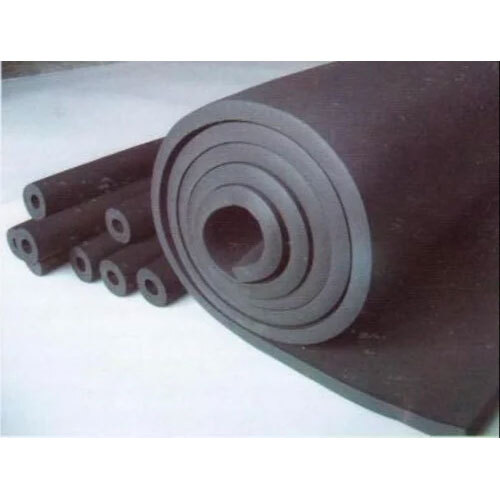
Superior Material PerformanceOur rubber sheets offer high elongation at break, impressive tensile strength, and a smooth or fabric finish as required. With a robust hardness of 605 Shore A and a thickness tolerance of 0.1 mm, they withstand temperatures from -30C to +80C, making them reliable across diverse operating conditions.
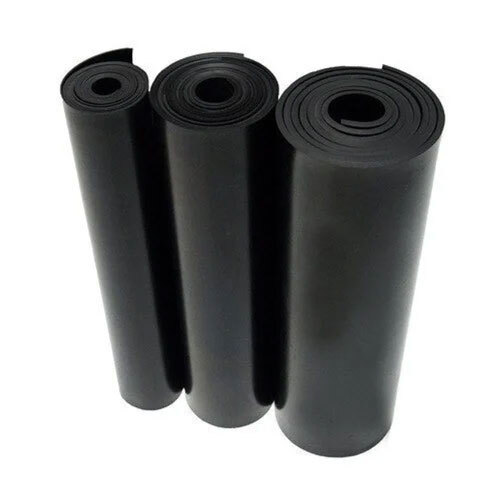
Customizable to Meet Your NeedsWe supply rubber sheets in a wide variety of sizes and thicknesses, with standard rolls at 1m x 10m and thicknesses from 0.5 mm up to 12 mm. Custom sizes are available on request, allowing you to match specific project requirements effectively.
Versatile Industrial ApplicationsEngineered for multiple uses-including sealing, insulation, anti-vibration pads, industrial linings, and general protection-these sheets perform well on concrete, metal, and wood. Durable, flexible, and resistant to weather, they are suited for both indoor and outdoor installations.
FAQ's of Rubber Sheet:
Q: How should rubber sheets be stored to maintain their quality?
A: Rubber sheets should be stored in a cool, dry place away from direct sunlight. This prevents premature aging and helps maintain their mechanical and physical properties for extended periods.
Q: What types of rubber are available for these sheets and how do they differ?
A: We offer natural rubber and synthetic options including Neoprene, Nitrile, EPDM, and SBR. Each type varies in chemical, oil, and ozone resistance, temperature tolerance, and elasticity, making them suitable for specific industrial requirements.
Q: When is electrically insulating rubber sheet necessary, and is it available?
A: Electrically insulating grades are recommended when the application requires protection against electrical currents, such as in electrical enclosures or sensitive machinery. These grades are available upon request.
Q: Where can these rubber sheets be used and on what surfaces do they adhere best?
A: They are designed for use on a variety of surfaces including concrete, metal, and wood. This makes them suitable for sealing, flooring, lining, and gasket applications in industrial and commercial environments.
Q: What is the typical process for ordering and what is the minimum quantity?
A: The minimum order quantity is usually one roll, but this may vary by supplier. Custom sizes and grades can be requested, and orders can be placed through manufacturers, distributors, or wholesalers across India. Please consult your supplier for specific requirements.
Q: How does the ash percentage affect the sheet's quality?
A: The ash percentage indicates the inorganic content left after combustion, which comes from fillers and additives. Lower ash content typically signifies higher purity and better mechanical performance.
Q: What benefits do these rubber sheets offer compared to other alternatives?
A: They provide a combination of durability, flexibility, moderate resistance to oil and chemicals, low water absorption, and customizable sizes, making them an economical solution for industrial sealing, insulation, and lining applications.
 GST : 24CJFPP2480R1ZL
 Call Us:- 08045477638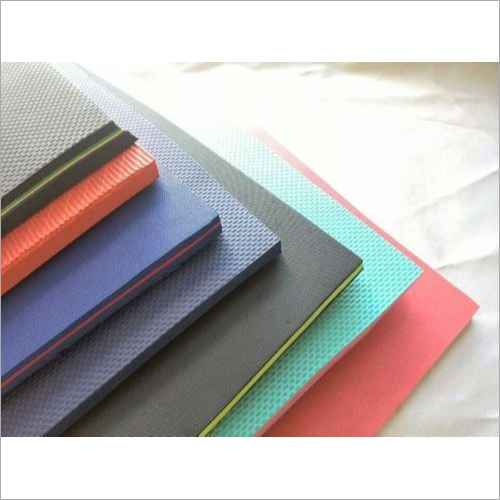





 Get A Quote


 Send Inquiry
 Send SMS
 Call Me Free


