Product Description
A Serrated Metal Gasket typically contains the following components:
1. Base Metal Material (Core):
Made of solid metal with a serrated (grooved) surface to improve sealing performance. Common metals include:
- Stainless Steel (SS304, SS316, SS321, etc.) Corrosion-resistant and durable.
- Carbon Steel Cost-effective but requires coating for corrosion resistance.
- Aluminum, Copper, or Soft Iron For specific applications requiring softer sealing materials.
- Inconel, Monel, Titanium, or Other Alloys Used in extreme temperature and pressure conditions.
2. Soft Filler or Coating (Optional):
- Graphite High-temperature resistance, commonly used in steam and chemical applications.
- PTFE (Teflon) Chemical-resistant, suitable for aggressive media.
- Non-Asbestos Material Provides flexibility and adaptability.
Key Features:
- The serrated surface enhances sealing by creating multiple contact points, reducing the risk of leaks.
- Used in heat exchangers, high-pressure flanges, and industrial applications where standard gaskets may fail.
Superior Sealing TechnologyBenefit from the advanced serrated or grooved surface design of these metal gaskets, which ensures tight sealing performance. Combined with precision CNC machining, every gasket provides consistent compression, minimizing leakage, and maintaining integrity under fluctuating temperatures and pressures.
Customized Solutions for Critical EnvironmentsOur gaskets are manufactured in a range of materials and coatings, including stainless steel, Monel, Inconel, graphite, and PTFE. This flexibility allows optimal selection for specific media (steam, gas, chemicals, oil, water), temperatures, and pressure requirements, as well as compliance with international standards.
Designed for Safety and ReliabilityWith fire safe certification and high corrosion resistance, these gaskets excel in hazardous and demanding settings. High seating stress and excellent recovery ensure durability and effectiveness, making them a preferred choice for OEMs, exporters, and distributors in India and beyond.
FAQ's of Serrated Metal Gasket:
Q: How does the serrated or grooved surface enhance the gasket's sealing performance?
A: The serrated or grooved surface on the metal gasket increases the friction and provides multiple sealing lines, which help achieve a tight, low-leakage seal even under high pressure and thermal cycling conditions. This design ensures reliable joint integrity for demanding applications.
Q: What materials and coatings are available for serrated metal gaskets?
A: Serrated metal gaskets are available in various materials such as stainless steel, carbon steel, Monel, Inconel, nickel, and soft iron. Coating options include graphite, PTFE, and mica, chosen based on chemical compatibility and application requirements to optimize corrosion and temperature resistance.
Q: Where are serrated metal gaskets commonly used?
A: These gaskets are widely utilized in high temperature and high-pressure environments, including petrochemical plants, refineries, power generation facilities, and process industries. Their robust design and performance capabilities make them suitable for critical sealing tasks involving steam, gases, oils, and chemicals.
Q: When should a serrated metal gasket be replaced, and is it reusable?
A: Serrated metal gaskets are generally not intended for reuse because the surface integrity and compressive properties can be compromised after first use. Best practice is to replace them during each maintenance cycle or upon detection of leaks to ensure continued sealing efficacy.
Q: What is the process for manufacturing serrated metal gaskets?
A: These gaskets are precision CNC machined to achieve the required serrated or grooved profile on the sealing surface. Strict quality controls ensure adherence to thickness (3 mm - 8 mm), hardness, and international standards, with optional features like inner or outer rings incorporated as per customer specification.
Q: What are the main benefits of using a serrated metal gasket in process industries?
A: Primary advantages include outstanding sealing performance under extreme temperatures up to 1000C, high pressure tolerance (up to 250 bar), resistance to corrosion, and fire safety compliance. The design's excellent compression recovery and compatibility with various coatings make it ideal for harsh industrial environments.
Q: Can OEM and custom sizes be accommodated for specific applications?
A: Yes, OEM services are offered, allowing for customization in size (ranging from 50 mm to 2000 mm and beyond) and material selection to meet specific operational requirements. Customers can request features like inner or outer rings based on their application's sealing needs.
 GST : 24CJFPP2480R1ZL
 Call Us:- 08045477638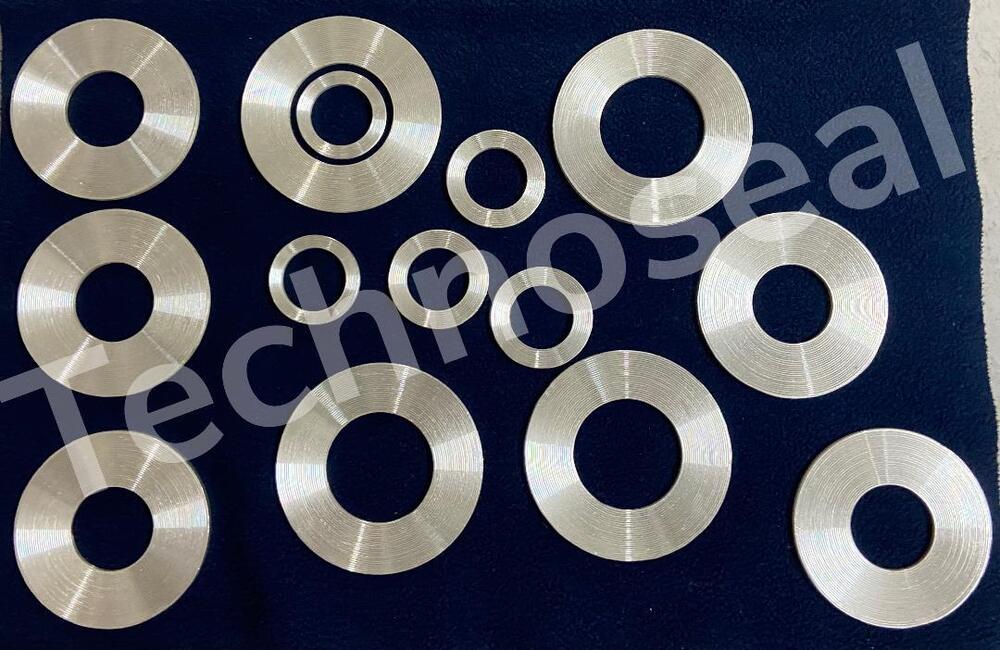





 Get A Quote




 Send Inquiry
 Send SMS
 Call Me Free


