Product Description
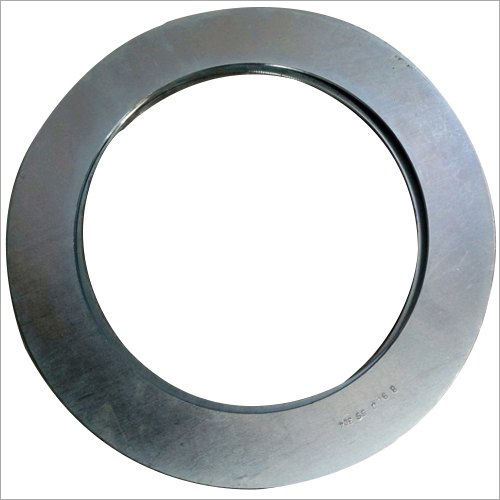
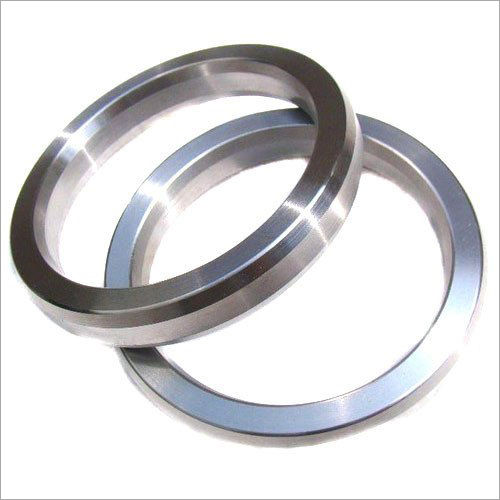
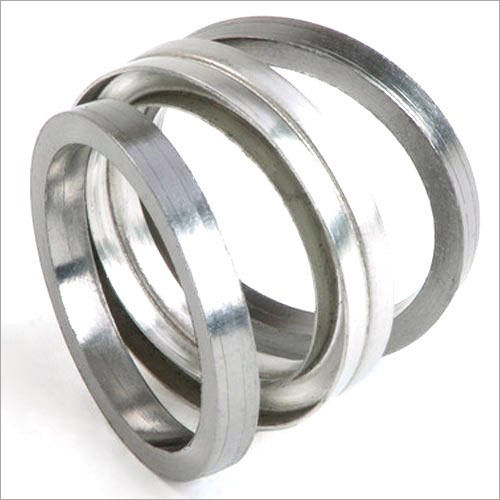
An MS (Mild Steel) lens ring gasket is a type of gasket typically used in machinery and equipment to create a seal between the lens ring and other components. This gasket helps to prevent leaks and ensure a tight seal, which is crucial for maintaining proper function and safety.
Material: Made from mild steel, which is a type of carbon steel with a low carbon content. It provides good mechanical properties and is often used in applications where strength and durability are needed.
-
-
Purpose: The lens ring gasket helps to seal the joint between the lens ring and the housing or body of a device, preventing the ingress of contaminants and leakage of fluids or gases.
-
Applications: Commonly used in optical instruments, automotive components, and various machinery where precise sealing is required around a lens or similar component.
-
Design: The gasket is designed to fit snugly within the lens ring, often featuring a specific shape or profile to match the mating surfaces.
Precision Engineering for Demanding ApplicationsMS Lens Ring Gaskets are precision machined to deliver optimum performance in high-pressure flange and pipe joint assemblies. Their robust construction and metallic silver finish ensure durability even under extreme conditions, including hazardous environments, high vibrations, and aggressive chemical mediums. The conical or spherical lens profile guarantees superior metal-to-metal sealing, providing peace of mind and reducing maintenance downtime.
Flexible Availability and Custom SizingWhether you require ready stock for immediate installation or made-to-order solutions for unique projects, these gaskets are available in a comprehensive range of sizes and thicknesses. Manufactured to ANSI, DIN, BS, and IS standards, they offer seamless compatibility for global applications. Stringent pressure and leakage testing per standards further ensures reliability and safety.
FAQs of MS Lens Ring Gasket:
Q: How is the MS Lens Ring Gasket installed for high-pressure applications?
A: Installation requires precise machining of the flange surface to ensure proper alignment and sealing. Accurate flange preparation is critical because the gaskets metal-to-metal contact relies on this precision to achieve a reliable, leak-proof connection under high pressure.
Q: What benefits does the conical/spherical lens profile provide for sealing?
A: The conical or spherical lens edge profile facilitates a concentrated load distribution, creating an effective metal-to-metal seal that minimizes leakage even in high-vibration or hazardous conditions. This design improves the overall reliability and service life of the gasket.
Q: When should a metallic silver MS Lens Ring Gasket be selected over non-metallic alternatives?
A: Choose a metallic MS Lens Ring Gasket when dealing with extreme pressure, temperature (up to 600C), or corrosive media such as oil, gas, steam, and chemicals. Its metallic construction and tested standards offer superior durability compared to non-metallic options in industrial settings.
Q: Where are MS Lens Ring Gaskets commonly used?
A: These gaskets are widely used in high-pressure pipe joints and flange connections across oil and gas, chemical processing, steam, and hazardous material transport industries. Their versatility and standards compliance make them ideal for both domestic and export requirements.
Q: What is the process for manufacturing MS Lens Ring Gaskets?
A: MS Lens Ring Gaskets are manufactured using precision machining of mild steel. This ensures a smooth surface finish, accurate lens edge profile, and consistent hardness (80100 HB), resulting in high performance across varying pressures and temperatures.
Q: How does the gaskets corrosion resistance benefit long-term operation?
A: The gaskets intrinsic corrosion resistance can be enhanced with coatings, making it suitable for aggressive chemical environments and reducing the need for frequent replacement, thus lowering operational costs and increasing system reliability over time.
Q: What testing is performed to ensure gasket reliability and safety?
A: Each gasket undergoes stringent pressure and leakage tests as per ANSI, DIN, BS, and IS standards. This ensures performance under up to 15,000 psi and full vacuum conditions, guaranteeing safe operation in demanding industrial applications.
 GST : 24CJFPP2480R1ZL
 Call Us:- 08045477638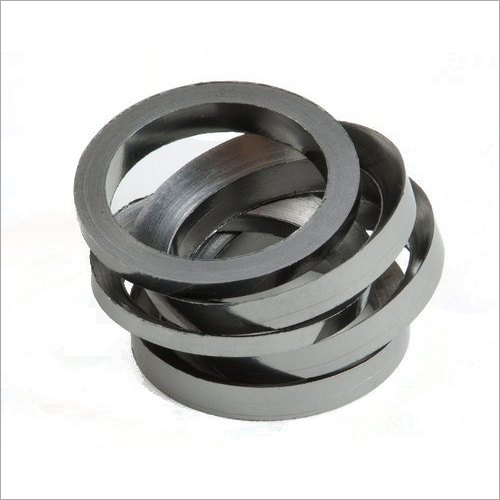





 Get A Quote


 Send Inquiry
 Send SMS
 Call Me Free


